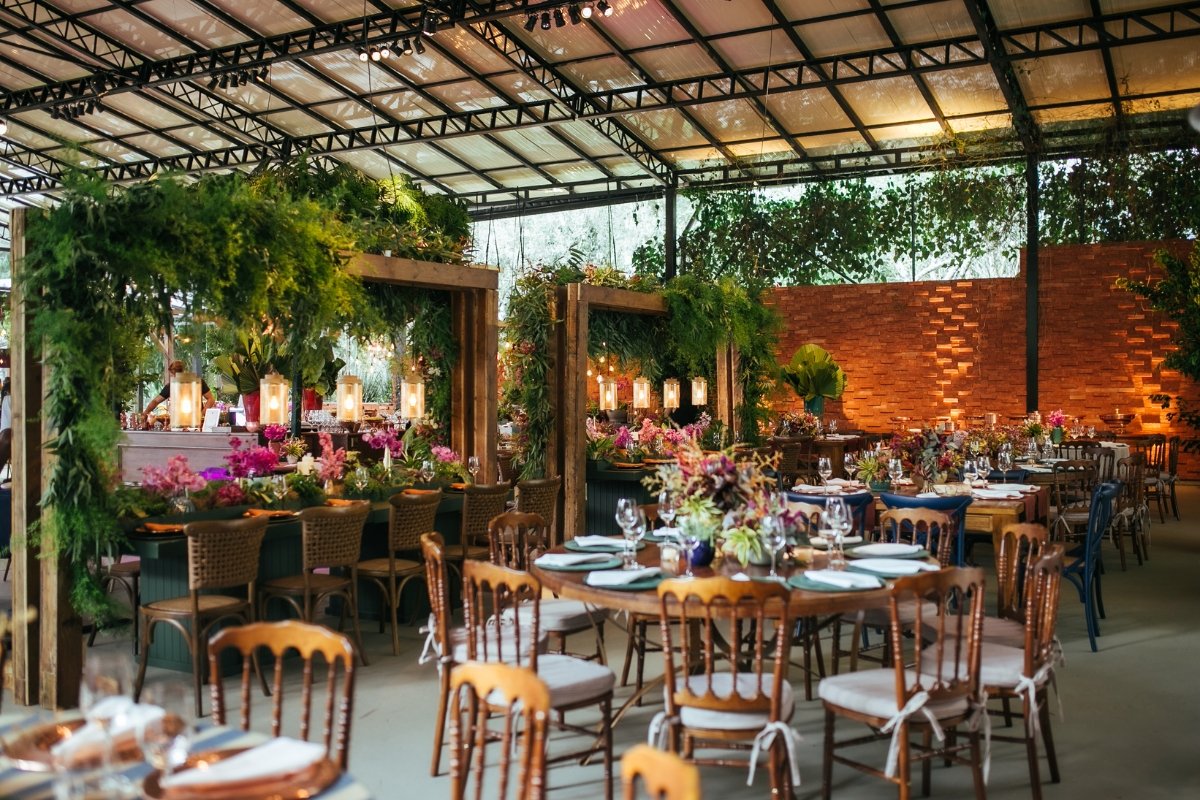
Event planning can feel like navigating a high-stakes obstacle course, where every decision impacts the big picture. But perhaps no element carries more weight – or causes more stress – than securing the perfect Venue & Vendor Availability and Booking. It's the lynchpin that holds your event together, dictating everything from your budget and timeline to the guest experience. Get it right, and you lay the groundwork for a memorable, seamless occasion. Overlook a detail, and you could find yourself scrambling with limited options, inflated costs, or even outright cancellations.
This guide is for anyone who has ever felt overwhelmed by the sheer volume of choices, the tight deadlines, or the fear of a double booking. We’ll cut through the noise, offering clear, actionable advice to streamline your process, leverage modern tools, and ensure your event—whether an intimate gathering, a corporate conference, or a grand wedding—is built on solid, perfectly booked ground.
At a Glance: Your Blueprint for Smooth Booking
- Start Early, Seriously Early: The golden rule of event planning. Popular venues and in-demand vendors book up months, even years, in advance.
- Define Your Needs First: Before you even begin searching, nail down your event’s purpose, audience, budget, and non-negotiable requirements.
- Leverage Technology: Modern event management software is a game-changer for tracking availability, managing leads, automating tasks, and securing bookings.
- Ask the Right Questions: Don’t assume anything. Get crystal-clear on inclusions, restrictions, and policies before signing on the dotted line.
- Read the Contract Carefully: This is your legal safety net. Understand all terms, especially cancellation policies, payment schedules, and what's explicitly included.
- Communicate, Communicate, Communicate: Keep venues and all your vendors in the loop, sharing timelines, floor plans, and any changes promptly.
The Foundation: Why Availability & Booking Are Your Event's Bedrock
Imagine planning a lavish dinner party without a kitchen, or a major conference without a projector. Impossible, right? That’s the critical role your venue and key vendors play. They are the essential infrastructure and services that bring your event vision to life. But finding and securing them is far more complex than just checking a calendar.
You're not just looking for an open date; you're seeking a delicate alignment of:
- Logistical Fit: Does the space accommodate your guest count, layout needs, and specific activities?
- Budget Alignment: Can you afford the venue and all necessary vendors within your financial parameters?
- Aesthetic & Atmosphere: Does the location and vendor style complement your event's theme and brand?
- Operational Compatibility: Do the venue's rules, staffing, and amenities work with your chosen vendors and event flow?
The challenge intensifies when you consider the sheer number of moving parts: caterers, photographers, entertainment, AV specialists, florists, rental companies—each with their own schedules, contracts, and availability. Mismanaging this process leads to last-minute scrambles, budget overruns, compromises on quality, and ultimately, a less-than-stellar event experience.
Embracing Modern Tools for Seamless Management
The days of juggling multiple spreadsheets, email chains, and paper calendars for Venue & Vendor Availability and Booking are, thankfully, becoming relics of the past. Today's event organizers have powerful software at their fingertips designed to centralize, automate, and simplify this complex process. Think of it as your digital event command center.
Here’s how these sophisticated platforms are transforming event planning:
Real-Time Clarity: Never Double-Book Again
At the heart of any robust event management system is a dynamic, real-time booking calendar. This isn't just a digital diary; it's a strategic tool:
- Visual Dashboards: Instantly see all events and tasks laid out in color-coded glory, accessible from any device. Switch between intuitive calendar or timeline views to grasp your schedule at a glance.
- Smart Filters: Need to see only events due next month? Or just bookings for a specific ballroom? Filters cut through the noise, letting you focus on what matters.
- Conflict Prevention: The software actively monitors for potential time or space conflicts, immediately alerting you to prevent dreaded double bookings. You can even set temporary "holds" on dates for promising leads, ensuring you don't lose out while waiting for confirmation.
- Universal Sync: Seamlessly integrate with your existing e-calendars like Google, Outlook, and Apple, so your event schedule is always up-to-date across all your personal and professional tools.
Venue-Specific Superpowers: Mastering Your Spaces
For venues managing multiple event spaces, these platforms offer unparalleled control:
- Comprehensive Space Management: Effortlessly set up an unlimited number of venues and event spaces—from intimate meeting rooms to grand ballrooms. Assign spaces to bookings with a few clicks.
- At-a-Glance Availability: A timeline view shows current bookings and open slots, making it easy to respond to inquiries and maximize your venue’s utilization.
- Automated Alerts: Receive instant notifications for any potential double bookings, preventing costly mistakes.
- Website Integration: Embed an availability calendar directly onto your venue’s website, alongside a lead intake form. This empowers potential clients to check dates and submit inquiries 24/7, streamlining your sales pipeline.
- Floor Plan Flexibility: Attach various floor plan layout templates to each space, helping clients visualize their event setup and allowing you to plan logistics efficiently.
Beyond the Calendar: A Holistic Event Ecosystem
Modern booking software extends far beyond just dates and times, offering an integrated suite of tools:
- Appointment Scheduling: Manage client meetings, calls, and venue tours effortlessly. Some systems even allow clients to self-schedule, saving administrative time.
- Task Management: Assign tasks to your team or clients, set email/text reminders, and build reusable task list templates for recurring event types.
- Client Relationship Management (CRM): Automate lead collection via customizable webforms, nurture leads through a sales pipeline, track all contact details, and centralize communication through a unified email inbox.
- Client Portals: Provide a secure online hub where clients can view and sign documents, track their event details, and make payments.
- Financial Management: Create professional event proposals, send online contracts with electronic signature capabilities, manage food & beverage orders, generate invoices, and collect online payments via integrated credit card processing partners. You can even set up payment reminders and auto-payments for installment plans.
- Ticketing & Registration: For public events, build event websites and manage online registrations, further streamlining your event operations.
By embracing these tools, you transform the daunting task of Venue & Vendor Availability and Booking into a strategic, controlled, and far less stressful part of your event planning journey.
Your Step-by-Step Blueprint for Flawless Booking
Securing the perfect venue and an A-team of vendors is a methodical process. Rushing through it often leads to compromises and headaches down the line. Follow this blueprint to navigate the journey with confidence.
1. Laying the Groundwork: Define Your Event's DNA
Before you even glance at a venue brochure, you need absolute clarity on what you're planning. This foundational step dictates every subsequent decision.
- Pinpoint Your Purpose & Goals: Why are you holding this event? Is it a product launch, a fundraiser, a team-building retreat, a milestone celebration? Measurable goals (e.g., "secure 20 new leads," "raise $10,000," "achieve 90% attendee satisfaction") will guide your venue and vendor choices. A high-tech conference, for instance, demands robust AV capabilities, while a relaxed family reunion prioritizes outdoor space and kid-friendly amenities.
- Know Your Audience Inside Out: Who are your attendees? Map their demographics, preferences, and expectations. Consider age, group size, accessibility requirements, preferred style (formal vs. casual), layout needs, and specific dietary or AV considerations. A younger crowd might appreciate a trendy, urban loft, while an older, more conservative group might prefer a classic ballroom.
- Establish a Realistic Budget: This is non-negotiable. Clearly define your overall budget, then allocate funds across all potential cost centers: site fees, deposits, catering, AV, décor, insurance, staffing, and contingencies. Use a detailed budget planning table to track every penny, ensuring you don't fall in love with a venue you can't afford.
2. Scouting & Shortlisting: The Hunt for Your Perfect Match
With your event's core identity established, it's time to find the physical and professional elements to support it.
- Research, Research, Research: Begin compiling a list of potential venues and vendors. Utilize online directories, industry associations, trusted recommendations, and feedback from past events. Don't limit yourself; explore diverse options.
- Conduct Thorough Site Visits: This is crucial. Whenever possible, conduct in-person visits (or detailed virtual tours) of shortlisted venues. Inspect every aspect:
- Amenities: What's included? What's extra? (e.g., tables, chairs, linens, basic AV).
- Accessibility: Are there ramps, elevators, accessible restrooms, designated seating? Consider parking, drop-off points, and public transport options for your attendees.
- Space & Flow: Does the layout make sense? Are there enough breakout rooms, a suitable stage area, or a spacious dance floor?
- Noise Restrictions: Are there any curfews or limitations that could impact your event, especially for evening events with music or speeches?
- Staff Support: Observe the existing staff. Are they professional, helpful, and responsive?
- Evaluate Vendor Portfolios: For critical vendors like caterers, photographers, or entertainment, review their portfolios, testimonials, and past event experience. Do their style and offerings align with your vision?
3. The Crucial Check: Availability & Timing is Everything
You’ve got your shortlist; now it's time to see if your perfect matches are actually available. This is where strategic timing and proactive communication become paramount.
- Contact & Inquire: Reach out to your shortlisted venues and key vendors with your preferred event dates and a few backup options. Be clear about your initial requirements.
- Understand Booking Lead Times: The general rule of thumb is:
- Most Events: Book 6-12 months in advance.
- Popular Venues / Peak Dates: 12-18 months (or even longer) is ideal. Weekends, holidays, and specific seasons (e.g., spring and fall for weddings, December for corporate parties) are highly competitive. If you need dates for your wedding?, plan even further ahead for your dream venue.
- The Benefits of Early Booking: Securing your choices early gives you better negotiation power, more flexibility with dates, and ample time for detailed coordination without last-minute panic. It also widens your pool of available top-tier vendors.
4. Due Diligence: Asking the Right Questions
Before you commit, arm yourself with information. A comprehensive list of questions will uncover potential pitfalls and ensure there are no surprises down the road.
- Inclusions & Exclusions: Get a detailed, written list of what the rental fee covers. Are basic furniture, standard linens, parking, setup/cleanup services, basic AV, or on-site staff included? Services like catering, AV tech support, security, or premium décor are often extra.
- Vendor Policies: Can you bring your own caterers, florists, or AV technicians? Many venues allow outside vendors, but some require you to use their preferred partners or an exclusive in-house team. If outside vendors are permitted, inquire about their requirements (e.g., proof of insurance, licensing, experience).
- Deposit & Cancellation Policies: Understand the required deposit amount, payment schedule, and—critically—the refund and cancellation terms. What happens if you need to reschedule or cancel? Are there penalties?
- Venue Restrictions: Be fully aware of any limitations: noise curfews, specific décor rules (e.g., no open flames, limits on hanging signage), alcohol policies (BYOB vs. in-house bar), specific setup/teardown windows, and insurance requirements (event liability insurance is often mandatory).
- Staffing & Support: What level of on-site staff support is provided during your event? Who is your main point of contact?
5. The Paper Trail: Contracts & Financials
This is where your commitment becomes legally binding. Do not rush this step.
- Thorough Contract Review: Every detail matters. Carefully read the entire contract, ensuring clarity on:
- Dates & Times: Exact booking hours, including setup and teardown.
- Inclusions: Confirm everything discussed verbally is in writing.
- Refund & Cancellation: Re-confirm these critical terms.
- Fees: All costs, potential overrun fees (e.g., if you exceed your time slot), and damage policies.
- Force Majeure: Understand clauses related to unforeseen circumstances (natural disasters, pandemics) that might impact your event.
- Secure the Booking: Once satisfied, promptly submit all required deposits and complete any paperwork.
- Confirm & Document: Get written confirmation of your finalized schedule, included amenities, and booking references. Keep both digital and hard copies of all contracts, receipts, and communication. This documentation is your safety net.
6. Orchestrating the Details: Vendor Coordination & Logistics
With your venue secured, it's time to bring your vendor team into the fold, ensuring everyone is on the same page.
- Share Venue Specifications: Provide all your vendors with the venue’s rules, load-in procedures, access times, and any specific restrictions.
- Collaborative Planning: Coordinate directly with your vendors to establish:
- Access & Setup: When can they arrive? Where do they unload? What are their power or space requirements?
- AV & Technology: Ensure the venue’s AV capabilities (or your hired AV vendor's equipment) integrate seamlessly.
- Décor: Confirm where and how decorations can be placed.
- Catering: Share kitchen access, service flow, and any dietary restrictions.
- Contingency Plans: Discuss backup plans for weather (for outdoor elements), equipment failures, or last-minute changes.
- Ongoing Communication: Maintain an open line of communication with all parties. Use your event management software to share task lists, timelines, and updates, ensuring everyone is aligned as the event date approaches.
Navigating Common Hurdles: Your Booking FAQ Answered
Even with a detailed plan, questions will inevitably arise. Here are clear answers to some of the most frequently asked questions about Venue & Vendor Availability and Booking.
Q: How far in advance should I book my venue and key vendors?
A: For popular venues or peak dates (weekends, holidays, specific seasons), 12-18 months ahead is ideal, especially for events like weddings or large corporate gatherings. For most other events, 6-12 months in advance is a safe bet. Early booking provides the best selection, better negotiation opportunities, and ample time to coordinate all the intricate details without stress.
Q: What do venue rental fees typically include?
A: This varies significantly, so always confirm a detailed written list to avoid surprises. Typically, rental fees cover the use of the space itself, basic furniture (tables, chairs), and standard linens. Sometimes, they might also include parking, basic setup/cleanup services, minimal audio-visual equipment (like a projector screen), or the presence of an on-site venue coordinator. Services like catering, premium AV tech support, security, or specialized décor are almost always extra.
Q: Can I bring my own vendors (e.g., caterer, photographer)?
A: Many venues allow outside vendors, offering you more flexibility and choice. However, it's common for some venues to require you to use their preferred partners or an exclusive in-house team, especially for catering or AV. Always check the venue’s policy upfront. If outside vendors are allowed, the venue will likely require proof of insurance, licensing, or demonstrate a certain level of experience to ensure quality and liability standards are met.
Q: What accessibility features should I look for in a venue?
A: Prioritize inclusivity. Look for step-free entrances, ramps, elevators to access all event areas, accessible restrooms with sufficient space, designated seating for guests with mobility aids, and assistive listening devices if applicable. Also, inquire about accessible parking spaces, safe drop-off points, and clear emergency evacuation plans for all guests.
Q: What are some common venue restrictions I should be aware of?
A: Venues often have rules to protect their property, ensure safety, and comply with local ordinances. Common restrictions include:
- Noise Curfews: Strict limits on music or amplified sound, especially for venues in residential areas.
- Décor Limitations: Rules against open flames, confetti, glitter, drilling into walls, or specific hanging signage.
- Alcohol Policies: Whether you can bring your own alcohol (BYOB), if a licensed bar service is mandatory, or if there are specific hours for alcohol service.
- Setup/Teardown Windows: Strict timeframes for when vendors can access and exit the premises.
- Vendor Access: Specific entry points, parking restrictions, or time limits for vendor load-in and load-out.
- Insurance Requirements: Often, venues require you (the event organizer) and all your third-party vendors to provide proof of liability insurance.
Beyond Booking: Maximizing Your Event Success
Booking your venue and vendors is a monumental achievement, but it's just the beginning. The ongoing success of your event hinges on consistent, clear communication and proactive management.
- Foster Collaboration: View your venue and vendors not just as service providers, but as partners. A collaborative approach, where everyone understands the overarching vision and their specific role, leads to a smoother, more successful event.
- Regular Check-ins: Schedule periodic meetings or calls with your venue coordinator and key vendors to review progress, confirm details, and address any emerging questions. This prevents small issues from snowballing into major problems.
- Detailed Event Day Timeline: Create a meticulous timeline for the event day, covering every minute from vendor arrival to guest departure. Share this widely and ensure everyone knows their cues.
- Contingency Planning: Always have a Plan B. What happens if the power goes out? If a key vendor has an emergency? If the weather changes unexpectedly? Thinking through potential problems in advance can save your event.
- Gather Feedback: After the event, collect feedback from your guests, team, venue, and vendors. What went well? What could be improved? This invaluable insight will refine your process for future events.
Your Next Steps for Masterful Event Planning
The journey of Venue & Vendor Availability and Booking is intricate, but entirely navigable with the right strategy and tools. By adopting a proactive mindset, leveraging the power of modern event management software, and committing to meticulous planning, you transform a potential headache into a streamlined process.
Start by clearly defining your event’s purpose and budget. Research diligently, ask insightful questions, and most importantly, read every contract with an eagle eye. Remember, securing your event's foundations early provides peace of mind, unlocks better options, and ultimately allows you to focus on crafting an unforgettable experience for your attendees. Your next successful event begins with a well-booked plan.