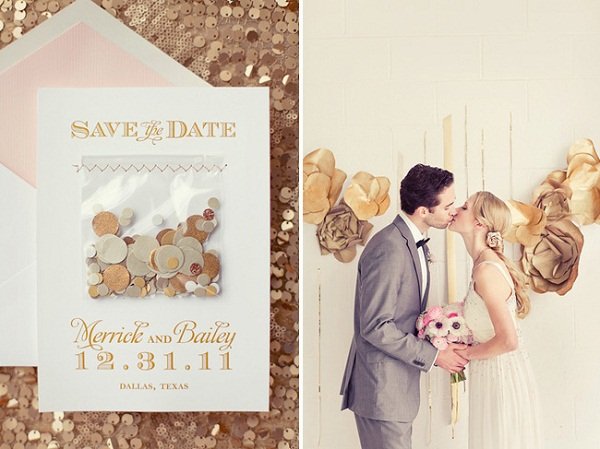
The moment you get engaged is exhilarating. Amidst the flurry of excitement, congratulations, and dreams of your big day, one of the first and most pivotal decisions you'll face is Choosing Your Ideal Wedding Date. It's more than just circling a day on a calendar; it's about weaving together your personal love story, practical considerations, and the logistical realities of planning an unforgettable celebration.
This isn't a task to be taken lightly, but it also doesn't need to be overwhelming. Think of it as the foundational brick of your entire wedding vision. Get this right, and everything else falls into place with greater ease and joy.
At a Glance: Key Takeaways for Choosing Your Wedding Date
- Act Early: Aim to pick your date within 1-2 months of getting engaged, ideally at least a year out, to secure your preferred venue and key vendors.
- Budget First: Your budget is a major driver. Saturdays and peak seasons (May-October) are pricier. Weekdays and off-peak months (November, December, January, April) can save you 30-50%.
- Prioritize Meaning: Start with dates that hold personal significance for you as a couple, then check practicality.
- Consult Wisely: Only consult your immediate inner circle (parents, siblings, honor attendants) to avoid major conflicts.
- Check the Calendar: Avoid major holidays, local events, or personal "crunch times" that could impact guest attendance or costs.
- Venue is Key: Your chosen venue often solidifies your date. Be flexible with 2-3 date options when inquiring.
- Trust Your Gut: Ultimately, the date should feel right for you.
Starting Point: The Engagement & Initial Timeline
Congratulations, you’re engaged! The average engagement in the U.S. stretches about 15 months, offering a comfortable window for planning. But while you might be tempted to dive straight into dress shopping or cake tasting, pinpointing your wedding date is one of the very first items on your to-do list. Experts suggest tackling this within 1-2 months of popping the question, especially if you envision walking down the aisle in the next 12-18 months. The sweet spot for setting a date is often at least one year out, giving you ample breathing room.
This initial timeline isn't rigid, of course. Some couples opt for a whirlwind engagement of 3-5 months, eager to start their married life together. Others prefer a longer engagement, perhaps to save more money, secure highly sought-after vendors, or simply enjoy a more relaxed planning pace. What truly matters is finding a rhythm that works for your unique situation.
One common chicken-or-egg dilemma arises: do you pick a meaningful date first and then hunt for an available venue, or do you fall in love with a venue and then choose a date from its available slots? Both approaches are valid. If a specific date holds deep personal significance, starting there allows you to prioritize that emotional connection. However, if flexibility is high and securing a dream venue is paramount, letting their availability guide your date choice can often be a quicker, more streamlined path.
Money Talks: How Your Budget Shapes Your Date
Let's be candid: money significantly influences your wedding date options. The day of the week and the season you choose aren't just aesthetic preferences; they are major cost drivers that can make or break your budget. Having an honest discussion about your financial parameters early on is crucial.
The Cost of Convenience: Saturdays, Weekdays & Seasons
It's no secret that Saturday nights typically carry premium rates, as they're the most coveted slots for weddings. Similarly, the peak wedding season, generally running from May through October, comes with a higher price tag for venues and many vendors. Demand is high, and so are the prices.
If budget-friendliness is a top priority, consider shifting away from these prime times. Off-peak months—think November, December, January, and April (excluding special dates like Valentine's Day or New Year's Eve)—are generally considered off-season. Choosing one of these months can be surprisingly cost-effective, potentially saving couples anywhere from 30% to a whopping 50% on total wedding costs. Some venues quote off-peak dates as "up to twice as cost-effective" as their peak-season counterparts.
Weekday ceremonies (Monday through Thursday) offer even greater savings and flexibility. You'll find a wider selection of venues and vendors available, often at significantly lower prices. For context, while average Saturday weddings hover around the $33,100 mark, a Thursday wedding might average $31,100, and a Wednesday $32,000. These savings can free up funds for other dream elements, like an upgraded photography package or a longer honeymoon.
Saving Smart: The Power of Flexibility
Being flexible with your date can be your greatest financial asset. Instead of having just one specific date in mind, approach venues with 2-3 preferred date options. This gives them room to work with you, potentially offering better rates to fill slots that might otherwise remain open. Venues, like any business, appreciate knowing you're open to options.
Moreover, if you're working with a more modest budget, embracing weekday or off-peak dates might not just be a cost-saving measure but a necessity to achieve your wedding vision. Conversely, a larger budget naturally provides more freedom to select almost any date you desire, but even then, smart choices can yield significant savings. This foundational decision on timing significantly impacts how far your wedding budget will stretch, allowing you to maximize every dollar. For more comprehensive insights into managing your expenses, delve into the intricacies of choosing your wedding date with a keen eye on financial planning.
Regional Realities
Where you choose to marry also plays a role in cost. Weddings in major metropolitan areas like New York or Los Angeles typically cost more than those in smaller towns or rural settings. This applies not only to venue costs but also to vendor fees, accommodation, and even transportation for guests. When considering your ideal date, remember that regional pricing can affect the overall feasibility of your chosen timeline.
Off-Season Perks
Beyond just cost savings, off-season weddings come with other appealing advantages. You'll often face less vendor competition, meaning your first-choice photographer or florist might be more available. This also translates to more available dates for venues and potentially deals on photography packages or hotel blocks for your guests. These perks can significantly reduce stress and enhance the overall experience.
Heart Over Calendar: Prioritizing Personal Meaning
While budget and logistics are vital, your wedding date is, at its core, a deeply personal choice. This day will forever mark the start of your marriage, so focus on what truly resonates with you and your partner, rather than bowing to external pressures or expectations. This is your story.
Dates That Whisper "Us"
Meaningful dates infuse your wedding with an extra layer of sentimentality. These could include:
- Relationship Anniversaries: Perhaps the date of your first date, when you officially became a couple, or the day you first exchanged "I love yous."
- Family Anniversaries: Honoring your parents' or grandparents' wedding anniversary can be a beautiful tribute and a way to weave family legacy into your new beginning.
- Other Personal Events: The day you got engaged, a memorable date from a special trip together, or even the date you first met.
- Lucky Numbers or Patterns: Maybe you have a lucky number, or you're drawn to dates with specific, memorable patterns (like 12/12/2024 or 03/03/2025).
- Shared Interests: For instance, a couple of Star Wars fans might consider May 4th ("May the Fourth be with you").
These are the dates that, when you look back years from now, will bring a smile to your face not just for the wedding itself, but for the deeper story they represent.
The "Do Not Book" List for Your Heart
Just as there are dates to embrace, there are also those to consciously avoid. Steer clear of any date that:
- Brings Bad Memories: An anniversary of a loss, a difficult time, or any date associated with negative emotions.
- Clashes with Important Family Events: A sibling's birthday, a niece's graduation, or a long-standing family reunion. While some flexibility might exist, causing major conflicts for your nearest and dearest can create unnecessary stress.
Choosing a date that evokes pure joy and positive anticipation is paramount for a truly happy planning process and a beautiful wedding day.
Seasonal Splendor: Aligning Your Date with Your Wedding Vision
Your wedding date isn't just a day; it's an entire season, bringing with it a particular mood, aesthetic, and set of practical considerations. The desired atmosphere for your wedding should be a guiding light when considering the time of year.
Decoding the Mood of Each Season
Each season offers a distinct canvas for your wedding vision:
- Summer (June, July, August): Think sunny outdoor ceremonies, vibrant colors, tropical drinks, and a generally free-spirited, fun vibe. Guests might be more inclined towards lighter attire and garden parties. However, be mindful of potential heatwaves and humidity.
- Winter (December, January, February): This season evokes glamor, the possibility of snowfall, holiday magic, and opulent decor. Cozy elements like warm drinks, faux fur, and fireplaces create an intimate atmosphere. The challenge can be unpredictable weather and guests' holiday travel plans.
- Fall (September, October, November): Characterized by rich colors, cozy feelings, and a touch of nostalgia. Imagine mulled apple cider, stunning autumnal leaves, and a rustic-chic aesthetic. Fall is incredibly popular, so dates book up fast.
- Spring (March, April, May): Represents renewal and fresh beginnings. Pastels, an abundance of fresh flowers, and bright, airy themes are common. It's a beautiful time, but April showers can be a concern for outdoor events.
Practicalities of Seasonal Choices
Once you have a general seasonal preference, consider how it aligns with your practical vision:
- Venue: Does your dream venue lend itself to a specific season (e.g., a sprawling garden for summer, a grand ballroom for winter)?
- Decor & Flowers: Certain flowers are only in season at specific times, impacting availability and cost. The natural environment of the season can also dictate your decor.
- Food & Drink: Seasonal menus, from refreshing summer cocktails to hearty fall stews, can be a delightful touch.
- Music & Entertainment: Outdoor bands for summer, cozy indoor ambiance for winter.
- Dress Code: Lighter fabrics for warmer months, heavier formalwear for cooler ones.
- Comfort: Consider guest comfort. An August outdoor wedding in Arizona might be challenging, just as a February wedding in Minnesota demands appropriate cold-weather planning.
Ensuring your chosen season practically aligns with your overall wedding vision will make the planning process smoother and your day more cohesive and enjoyable.
Navigating the Minefield: Essential Logistics & Conflicts to Avoid
Once you have a few meaningful dates and a preferred season in mind, it's time to check for potential logistical landmines. This requires a bit of detective work and careful consultation.
The VIP Consultation: Who to Ask (and Who Not To)
While it's tempting to poll everyone, resist the urge. Consult only your "essential inner circle" about potential date conflicts. This typically includes your parents, your partner's parents, siblings, and your honor attendants (Maid of Honor/Best Man). These are the individuals whose presence is truly non-negotiable. Ask them about existing commitments like planned vacations, annual family events, or major work obligations.
Limit this group strictly to avoid a "slippery slope" of conflicting opinions and schedules. Once your date is set and confirmed with your venue, notify these VIP guests immediately so they can mark their calendars.
The Comprehensive "Do Not Book" List
Beyond personal conflicts, there's a broader list of dates and periods generally best to avoid:
- Religious and Cultural Holidays: Dates important to you, your partner, or a significant number of your guests. These often involve family gatherings or religious observances that would conflict with your wedding.
- Immediate Family Birthdays and Anniversaries: While you might want to honor a family anniversary, holding your wedding on a close family member's birthday can overshadow their special day.
- Annual Commitments or Traditions: Think long-standing family reunions, annual sporting trips, or other unmissable events.
- Major Sporting Events: If you or your core guests are huge fans of a specific team or sport (e.g., the Super Bowl, a major championship game), this could be a distraction or even a conflict.
- Dates with Negative Personal Memories: As mentioned earlier, steer clear of any day that brings sadness or discomfort.
- Weekends Near Major Holidays: Thanksgiving, Christmas, New Year's, Easter, and sometimes even Labor Day or Memorial Day. While a long weekend might seem convenient for travel, guests often have existing plans, travel costs (flights, hotels) are significantly higher, and availability for vendors may be limited.
- The Weekend Before Tax Day (April 15th): Especially relevant if you or key guests work in accounting or tax law; this period is typically their busiest and most stressful.
- Couple's Personal "Crunch Time" at Work: If one or both of you have annual peak seasons or demanding work periods, avoid scheduling your wedding or the bulk of its planning during those times.
Beyond Holidays: Local Events & Professional Calendars
This is where a bit more research pays off, especially if you're planning a wedding in a specific city or destination. Check for major local events in your chosen wedding location. This could include:
- Large sporting events (marathons, major games)
- Conventions or trade shows
- Local festivals or parades
- Major concerts or cultural events
These events can drive up costs for everything from hotel blocks to vendor availability, and they can create significant traffic congestion, making it harder for guests and vendors to arrive on time. A quick call to the local council or Chamber of Commerce can often provide this vital information.
Also, consider the professional and academic calendars of your guests. If many of your friends are teachers, avoiding exam periods might be wise. If you have many medical professionals, consider their on-call schedules.
Honeymoon Hopes
Your wedding date isn't just about the ceremony; it's also about the celebration that follows. If you plan to embark on your honeymoon immediately, or within a month or two, consider the season and travel conditions of your desired honeymoon location. Dreaming of a tropical beach honeymoon but choosing a wedding date during hurricane season might necessitate a quick change of plans or a delayed trip.
Destination Date Dynamics
If you're planning a destination wedding, add an extra 8-12 months to your planning timeline. Guests will need significant advance notice to book affordable travel and accommodations. Be acutely aware of peak travel seasons for your chosen destination, as these will mean higher costs for everyone. Consulting a local wedding planner in your destination can be invaluable for understanding local events, customs, and optimal booking times.
The Venue & Vendor Domino Effect: Securing Your Chosen Date
With a few viable dates shortlisted and potential conflicts cleared, the next critical step is to make it official. This typically happens in tandem with securing your chosen wedding venue.
The Venue: Your Date's Official Stamp
For most couples, securing the venue is the primary step that officially makes your wedding date concrete. Venues are often booked 15 months (or even 1-2 years) in advance, especially popular ones or those with unique features.
When you start inquiring, ask venues about their availability for your preferred months or specific dates. Remember the advice about flexibility: having 2-3 date options can give you a better chance of securing your dream location, and sometimes even better rates if the venue is looking to fill a specific slot. Venue tours typically last 30-60 minutes, giving you a chance to envision your day in the space before committing.
Once you sign that contract, your wedding date is set in stone!
Critical Vendors: Booking Early
As soon as your venue is booked, pivot immediately to securing your other key vendors, especially those with limited availability. Photographers and videographers, for example, typically work solo or as small teams and can only book one wedding per day. They are often booked 12-14 months in advance, sometimes even further out for highly sought-after professionals.
Other vendors to prioritize early might include popular bands or DJs, caterers (if not provided by the venue), and potentially your wedding planner. Many professionals have availability calendars online, making it easier to see if your chosen date is open. Don't hesitate to ask your booked vendors for recommendations for other reliable services; they often have great networks.
Beyond the Calendar: Exploring Special Date Meanings
For couples who appreciate an extra layer of meaning or a touch of serendipity, exploring special date meanings can add a fun, personalized element to your wedding date selection. This isn't for everyone, but for those intrigued, it can be a delightful addition to the decision-making process.
Angel Numbers, Palindromes, & Sequences
- Angel Numbers: These are repeating sequences of numbers believed to carry spiritual significance.
- 111: Often seen as a "green light" from the universe, signifying new beginnings and alignment. A date like January 1st (1/1) could resonate.
- 222: Represents balance, harmony, and trust. February 22nd (2/22) is a popular choice.
- 888: Associated with infinity, abundance, and spiritual wisdom, considered a sacred number in numerology. August 8th (8/8) is particularly auspicious.
- Palindrome Dates: Dates that read the same forwards and backward, like 02/20/2022. These are memorable and have a unique, symmetrical appeal.
- Number Sequences: Dates that form an appealing pattern, such as 12/12/2024 or 03/03/2025, simply for their aesthetic and memorability.
Choosing a date with a special numerical pattern can make it feel even more unique to your story.
Numerology: Unveiling Your Path
Numerology delves into the mystical relationship between numbers and events. In the context of a wedding date, you can explore the "Life Path Numbers" of both partners. This involves adding the digits of your birth date until a single digit is achieved. Then, you might choose a wedding date whose numbers (month + day + year, reduced to a single digit) resonate positively with both of your Life Path Numbers.
While it’s a fun exercise, some numbers are traditionally considered more favorable for marriage:
- Number 4: Believed to signify a strong foundation, stability, and practicality – excellent for building a lasting partnership.
- Number 6: Associated with home, family, nurturing, and harmony – ideal for a union focused on domestic bliss.
Astrological Insights
For those with an interest in astrology, consulting an astrologer or doing some independent research can guide your date choice. You might consider picking a day when Venus, the planet of love and relationships, is in a particularly favorable position, believed to boost romance, harmony, and commitment in your union. Astrological charts can also highlight auspicious days for major life events, ensuring the cosmic energies are aligned with your intentions.
The beauty of exploring these special meanings is that they add a layer of personal significance without necessarily dictating your choice. Plus, weekday weddings often offer more flexibility to secure dates that align with specific number patterns or astrological alignments, simply because there's less competition than on a Saturday.
Sealing the Deal: What Comes After "The Date"
Once you've poured over calendars, consulted your inner circle, balanced budgets, and perhaps even considered the cosmos, the moment arrives: you've chosen your ideal wedding date. This is a huge milestone, and it sets the stage for everything else.
The Immediate Next Steps
- Book Your Venue (and Key Vendors): This is non-negotiable. As discussed, your venue makes your date official. Sign those contracts promptly to lock it in. Immediately follow up by booking your photographer, videographer, and any other critical vendors who can only take one event per day.
- Spread the Word (Wisely): While you might not be sending out formal invitations yet, you can create a wedding website to prominently display your chosen date. This allows guests to save the date and start making any necessary travel arrangements. A fun countdown timer on your site can build excitement!
- Organize Your Planning: With the date set, you now have a definitive timeline. Use wedding planning apps, digital tools, or even a simple physical planner to track milestones, set deadlines, and delegate tasks. This foundational decision empowers you to move forward with confidence and excitement.
Choosing your ideal wedding date is one of the most significant decisions you'll make in your wedding planning journey. By thoughtfully balancing personal meaning with practical considerations, you’ll select a day that not only celebrates your love but also sets the perfect stage for your lifelong adventure together.