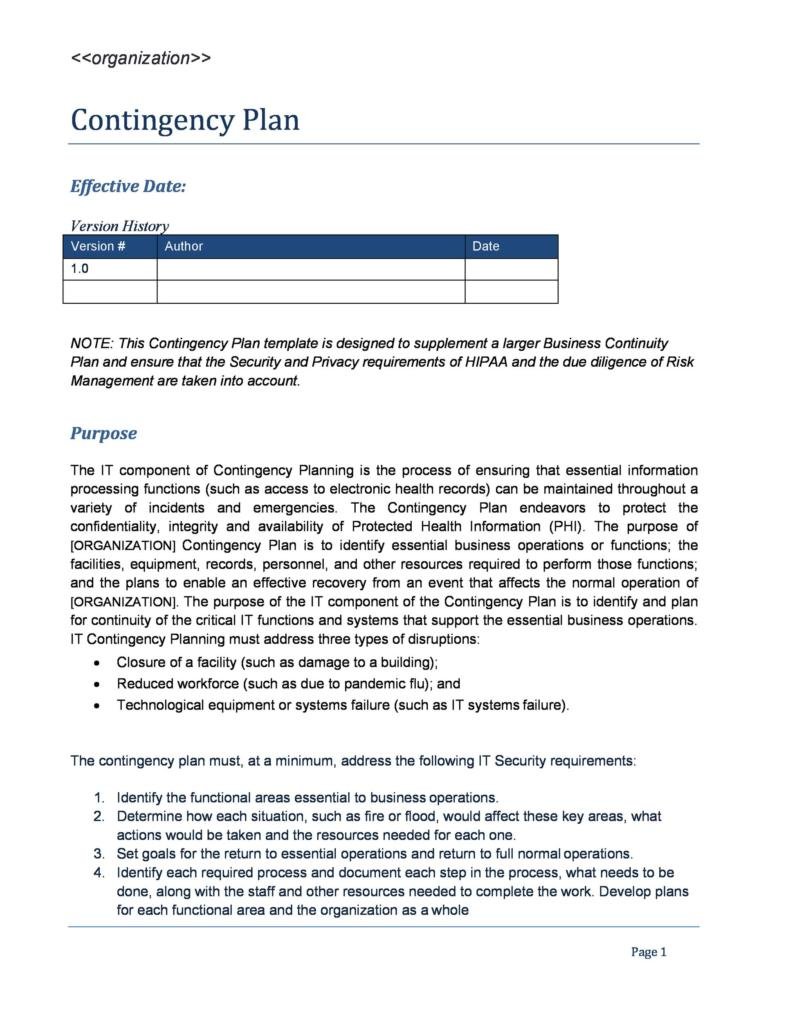
In today’s fast-paced, unpredictable business landscape, hoping for the best simply isn't a strategy. Instead, smart organizations thrive by actively preparing for the worst. This isn't about fear-mongering; it's about building resilience. By embracing robust Backup Dates & Contingency Planning, businesses transform potential catastrophes into manageable hiccups, ensuring continuity, protecting assets, and maintaining stakeholder trust. It’s the strategic foresight that lets you navigate storms, not merely weather them.
At a Glance: Your Blueprint for Business Resilience
- Contingency planning isn't just a "Plan B"; it's a strategic framework for preventing, preparing for, and recovering from unexpected disruptions.
- Three pillars define an effective plan: Prevention (pre-emptive "what if" scenarios), Preparedness (clear roles), and Recovery (detailed return-to-normal steps).
- Key plan types include Disaster Recovery (IT focus), Business Continuity (broader operational focus), and BCDR (a comprehensive blend).
- Follow 5 essential steps: Assess risks, analyze impacts, develop detailed responses, test and train, then maintain and update regularly.
- Benefits are huge: Immediate response, clear guidance, financial damage prevention, and a critical competitive advantage.
Why Your Business Needs a Resilient Safety Net
Imagine your core systems failing, a vital supplier suddenly closing its doors, or a natural disaster rendering your primary facility unusable. Without a clear plan, these aren't just problems—they're existential threats. Contingency planning provides that critical safety net. It’s a strategic approach to prepare for unexpected events, identifying risks and developing actionable responses when outcomes deviate from the norm.
A truly robust contingency plan isn't a dusty binder on a shelf; it’s a living document with three crucial elements:
- Preventive: Created well in advance, based on insightful "what if" scenarios that challenge your current operations. What if your main server goes down? What if a key team member is unavailable?
- Preparedness: Ensures every individual and department clearly understands their roles and responsibilities when a crisis hits, eliminating confusion and wasted time.
- Recovery: Outlines a detailed, step-by-step process for returning to normal operations as quickly and efficiently as possible, minimizing downtime and impact.
Organizations need contingency plans to address situations immediately, providing clear guidelines for teams, clients, and stakeholders. Beyond immediate crisis management, a well-executed plan prevents major financial damage by maintaining cash flow, reducing recovery costs, and avoiding hefty legal penalties from service interruptions. Ultimately, the ability to recover quickly and seamlessly offers a distinct competitive edge, reassuring customers and investors alike.
Decoding the Jargon: BCP vs. DRP vs. BCDR
While often used interchangeably, various terms in the world of resilience planning have distinct focuses. Understanding these differences helps you tailor the right strategy for your organization.
Business Contingency Plan (BCP): Keeping the Lights On
A Business Contingency Plan (BCP) is designed to keep all essential functions operational during a crisis. Its scope is broad, covering people, processes, facilities, and supply chains. Think of it as your immediate battle plan: what do we do right now to continue serving customers, processing orders, or maintaining critical internal functions? It dictates immediate responses during a disruption, focusing on maintaining minimum viable operations.
Disaster Recovery Plan (DRP): Getting Back to Normal
Disaster recovery, on the other hand, includes the methods, practices, and processes an organization employs to resume essential operations after a major disruption. It’s primarily focused on restoring IT systems, online applications, and critical data post-disaster. While related to business continuity, a Disaster Recovery Plan (DRP) typically focuses on the technological aspects of getting back to pre-disruption levels. It’s often a subset of broader business continuity planning.
Business Continuity and Disaster Recovery (BCDR): The Integrated Approach
For organizations deeply dependent on modernized IT systems, located in high-risk areas, or lacking formal recovery processes, a Business Continuity and Disaster Recovery (BCDR) plan offers a joint, comprehensive strategy. It effectively integrates the immediate operational resilience of a BCP with the technical restoration capabilities of a DRP, creating a seamless, end-to-end recovery framework. This integrated approach ensures that not only do you maintain operations during a crisis, but you also have a clear path to full recovery once the immediate threat subsides.
Contingency Planning Across Industries: Real-World Stakes
The necessity of robust contingency planning isn't confined to a specific sector; it's a universal requirement for operational stability. The specific focus, however, shifts dramatically based on industry needs and vulnerabilities. Just as you meticulously plan for crucial personal milestones, perhaps even consulting Your wedding date planning guide to ensure every detail has a backup, businesses too must apply this rigor to their operational dates and processes.
- Healthcare: In healthcare, contingency plans are literally life-saving. They address critical issues like staffing shortages during epidemics or natural disasters, ensuring patient safety and the continuous delivery of critical care services. This might involve agreements for backup staff, alternative facility usage, or emergency supply chain protocols for medications.
- Banking: For financial institutions, plans must focus on restoring critical operations, ensuring IT system recovery, establishing robust communication protocols for customers and regulators, and maintaining strict regulatory compliance amidst a crisis. The goal is to prevent financial market instability and maintain customer trust.
- Manufacturing: Here, plans ensure fewer disruptions from supply chain issues through strategies like dual sourcing for critical components, maintaining buffer stock, or implementing backup power systems to keep production lines running even during utility outages.
- Environmental Contingency Plans: These are crucial for industries operating in areas prone to natural disasters (floods, earthquakes, wildfires). They detail evacuation procedures, asset protection, and environmental remediation efforts post-event.
- Technology Contingency Planning: For any business reliant on digital operations, these plans focus on data backup, system failovers, cybersecurity incident response, and alternative network access to ensure digital services remain uninterrupted.
The 5 Essential Steps to Building Your Contingency Fortress
Creating an effective contingency plan isn't a one-time task; it's a structured process that builds resilience layer by layer.
Step 1: Uncover Your Vulnerabilities (Risk Assessment and Identification)
Before you can plan, you need to know what you’re planning for. This initial step involves identifying all potential internal and external threats that could impact your organization. Think broadly: natural disasters, cyberattacks, supply chain failures, key personnel loss, equipment malfunctions, economic downturns, regulatory changes, or even public health crises.
For each identified risk, evaluate two key factors:
- Likelihood: How probable is this event? (e.g., highly likely, possible, unlikely).
- Potential Impact: If this event occurs, what would be its severity? (e.g., minor disruption, significant operational downtime, catastrophic financial loss, reputational damage).
This process helps you prioritize, focusing your planning efforts on the most probable and impactful threats.
Step 2: Map the Fallout (Impact Analysis)
Once you've identified your risks, the next step is to deeply analyze how each one could affect your operations. This is where you connect the dots between a potential threat and its ripple effects across your business.
Consider implications such as:
- Financial: Lost revenue, increased operational costs, penalties, fines.
- Operational: Disruption to core services, reduced productivity, inability to deliver products.
- Customer Service: Missed deadlines, inability to communicate, loss of customer trust.
- Resource Implications: Shortages of staff, equipment, or critical supplies.
- Recovery Timelines: How long can your business afford to be down before the damage becomes irreversible? What's your Recovery Time Objective (RTO) and Recovery Point Objective (RPO)?
This analysis helps you understand the true cost of inaction and provides the data needed to justify resource allocation for your plan.
Step 3: Design Your Playbook (Plan Development)
Now it’s time to move from analysis to action. This step involves creating specific, detailed response plans for each prioritized risk scenario. Your plan should be a clear, actionable playbook, not just a theoretical exercise.
Each response plan should outline:
- Triggers: What specific events or warning signs activate this particular plan?
- Procedures: Step-by-step instructions for immediate response, mitigation, and recovery.
- Required Resources: What financial resources, equipment, supplies, or alternative facilities will be needed?
- Team Responsibilities: Clearly defined roles for primary responders, backup personnel, and decision-makers. Who does what, and when?
- Communication Protocols: How will you communicate internally (employees, leadership) and externally (customers, suppliers, media, regulators)?
- Recovery Timelines: Realistic expectations for each phase of recovery, including milestones and objectives.
The more detailed and practical these plans are, the more effective they will be under pressure.
Step 4: Practice Makes Perfect (Testing and Training)
A plan on paper is just that—paper. To truly validate its effectiveness, you must test it and train your teams. This step transforms your playbook into a practiced routine.
- Simulation Exercises:
- Tabletop exercises: Discussing the plan in a conference room, walking through scenarios verbally.
- Full-scale simulations: Actively performing parts of the plan, such as switching to backup systems or setting up alternative work sites.
- Team Training Sessions: Ensure all relevant individuals and departments know their roles, understand the procedures, and are familiar with any special equipment or software.
- Feedback Collection: After each test or training, gather feedback from participants. What worked? What didn't? Where were the bottlenecks or areas of confusion?
Testing isn't about finding perfection; it's about identifying weaknesses and continuously improving the plan.
Step 5: Evolve and Adapt (Maintenance and Updates)
The business world isn't static, and neither should your contingency plan be. New technologies emerge, threats evolve, personnel changes, and your business operations shift. Establishing a regular schedule for review and updates is paramount.
- Regular Reviews: Schedule quarterly, semi-annual, or annual reviews to ensure the plan remains relevant.
- Post-Incident Assessments: After any real-world incident (even minor ones) that required activating part of your plan, conduct a thorough "lessons learned" review. What worked well? What could be improved?
- Updates: Incorporate changes based on evolving business operations, new threats, changes in technology, or feedback from testing and real incidents.
- Version Control: Ensure everyone is working from the most current version of the plan.
A plan that isn't maintained is quickly obsolete and, therefore, useless when you need it most.
Anatomy of a Robust Contingency Plan: What Goes Inside?
Beyond the five steps, a comprehensive contingency plan isn't just a list; it's a meticulously crafted document designed for clarity and action.
- Risk Scenario Documentation: Detailed outlines of potential risks, complete with clear trigger events, expected impacts, and early warning signs that activate the plan.
- Strategic Response Frameworks: Clear, step-by-step directions for immediate actions (first responders), secondary actions (mitigation), and full recovery actions. This includes decision-making trees.
- Team Roles and Responsibilities: Precisely defined primary decision-makers, authority levels, response team compositions, and, critically, backup personnel for every key role. Who steps in if the primary person is unavailable?
- Communication Protocols: Procedures for internal notifications (employees, executives), external communications (customers, partners), media response strategies, and a comprehensive emergency contact list.
- Resource Management Guidelines: Detailed plans for accessing emergency financial resources, alternative equipment, critical supplies, cross-trained personnel, and backup or alternative facilities.
- Implementation Timelines: Realistic timeframes for each response phase, key milestones, and measurable recovery objectives. This helps manage expectations and track progress.
- Documentation Requirements: Specifications for incident logs, decision records (who decided what, when, and why), resource usage tracking, and formal "lessons learned" reports post-incident.
- Testing and Validation Procedures: Explicit specifications for testing frequencies, the types of exercises to be conducted (tabletop, walk-through, full-scale), and the performance metrics to evaluate success.
- Integration Guidelines: Instructions to ensure seamless coordination and efficient resource sharing across all plan components and with external partners (e.g., emergency services, vendors).
Beyond the Document: Implementing and Sustaining Your Plan
Having a well-written plan is only half the battle. Its true value lies in its implementation and ongoing sustainability.
Continuous Employee Training Programs
Your plan is only as strong as the people executing it. Regular, engaging training programs are essential to ensure that every employee, from front-line staff to senior leadership, understands their role in the event of a disruption. This isn't just about reading a manual; it’s about practical knowledge and confidence. Training should be tailored to different roles, providing relevant information and hands-on practice where possible.
Regular Drills and Simulations for Testing and Refinement
As discussed, testing is non-negotiable. Beyond simply training, regular drills and simulations—ranging from brief tabletop exercises to full-scale operational tests—are crucial. These aren't just for compliance; they reveal unforeseen challenges, expose gaps in communication, and provide invaluable opportunities for refinement. Each drill should be followed by a debriefing session to capture lessons learned and update the plan accordingly.
Adapting to Business Evolution
Businesses are dynamic entities. New technologies are adopted, markets shift, talent comes and goes, and processes evolve. Your contingency plan must be equally adaptable. Scheduled reviews (e.g., quarterly or annually) are opportunities to assess how internal and external changes might impact your plan's effectiveness. Has a new software system introduced a new vulnerability? Has a key supplier changed? Have regulatory requirements been updated? Proactive adaptation keeps your plan robust and relevant.
Common Questions About Contingency Planning
Navigating the complexities of business resilience often brings up practical questions. Here are some crisp answers to common inquiries:
"Is a DRP (Disaster Recovery Plan) enough for my small business?"
For many small businesses, a DRP is a critical start, especially given their heavy reliance on IT and data. However, it's generally not enough. A DRP primarily focuses on restoring IT systems after a disaster. A comprehensive Business Continuity Plan (BCP) or a combined BCDR approach considers broader operational aspects like people, facilities, and processes to ensure you can continue functioning during and immediately after an event, not just recover your computers. For true resilience, expand beyond just IT.
"How often should we update our contingency plan?"
At a minimum, your contingency plan should be formally reviewed and updated annually. However, it's wise to perform more frequent, targeted reviews (e.g., quarterly) if your business experiences significant changes, such as:
- Major shifts in technology or IT infrastructure.
- Changes in key personnel or organizational structure.
- Relocation or expansion of facilities.
- Introduction of new products, services, or critical processes.
- Changes in regulatory requirements.
- Lessons learned from any real-world incident or simulation exercise.
Think of it as a living document, not a static one.
"Who should be involved in creating the contingency plan?"
Creating a robust contingency plan requires diverse input from across the organization. Key stakeholders should include:
- Senior Leadership: For strategic direction, resource allocation, and ultimate approval.
- IT Department: For disaster recovery specifics, system backups, and technical infrastructure.
- Operations Managers: To identify critical processes and operational dependencies.
- HR Department: For personnel management, emergency contact procedures, and communication.
- Finance Department: For financial impact analysis and resource allocation.
- Legal/Compliance: To ensure adherence to regulations and mitigate legal risks.
- Departmental Representatives: Those who understand the day-to-day workings and unique risks of their specific areas.
A cross-functional team ensures a comprehensive, realistic, and implementable plan.
Your Next Steps to Unbreakable Operations
The message is clear: Backup Dates & Contingency Planning isn't an optional luxury; it's a fundamental requirement for sustained success. The future is inherently uncertain, but your ability to navigate it doesn't have to be.
- Prioritize It Now: Don't wait for a crisis to strike. Make contingency planning a strategic priority for your organization, securing the necessary resources and executive buy-in.
- Start Small, Then Scale: If the task feels overwhelming, begin with a focused risk assessment on your most critical operations or most probable threats. Build out a basic plan, then iterate and expand.
- Foster a Culture of Resilience: Encourage every employee to think about "what if" scenarios and their role in maintaining continuity. A resilient organization is one where preparedness is ingrained in its DNA.
By taking these deliberate steps, you won't just react to disruptions; you'll anticipate, prepare for, and overcome them, ensuring your business not only survives but thrives in the face of the unexpected.